The Law Nobody Talks About — But Everyone Experiences
When a measure becomes the target, people optimize for the number while reality quietly moves somewhere else.
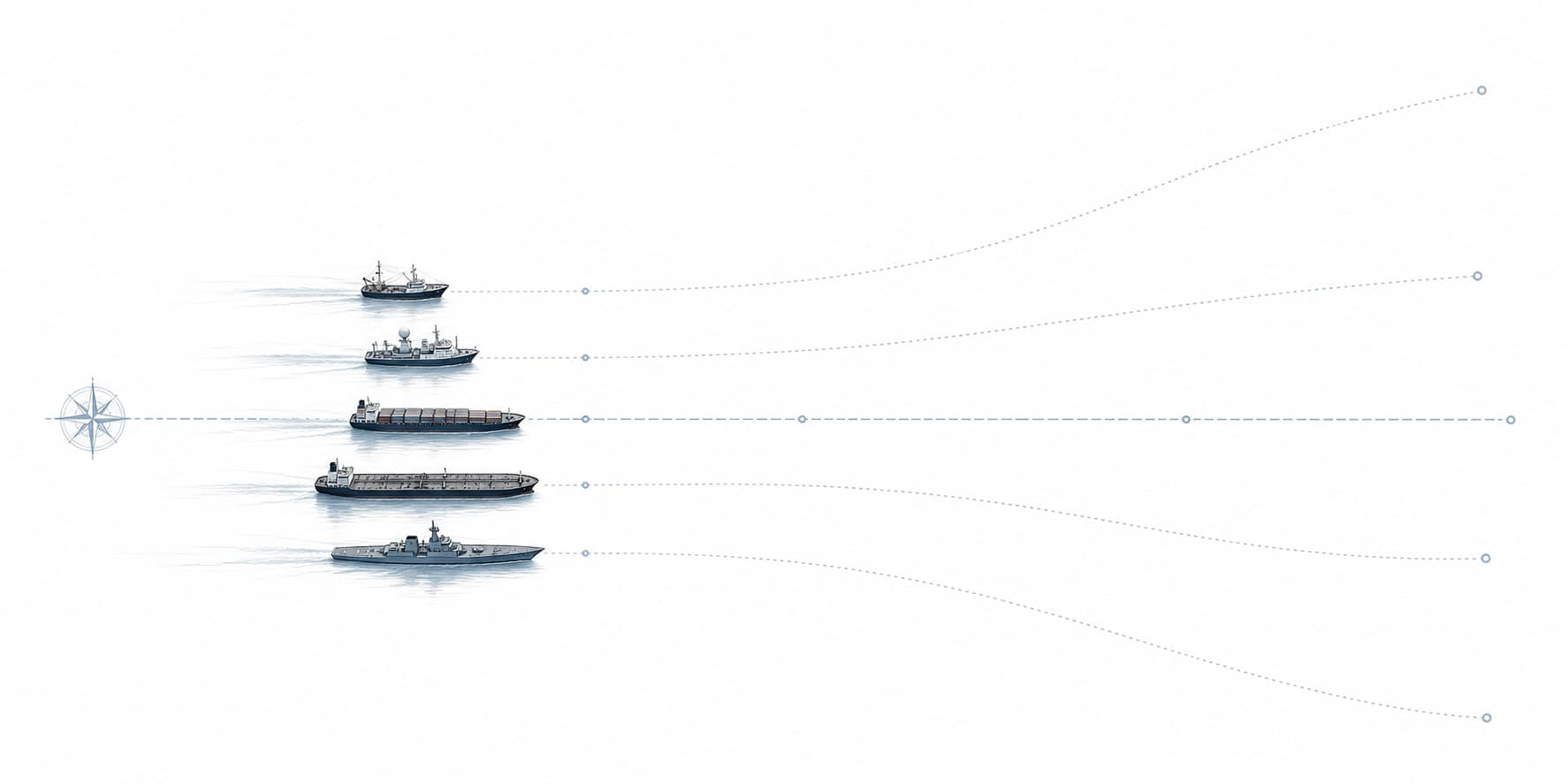
When a measure becomes a target, it ceases to be a good measure. — Charles Goodhart, 1975 A client walked away from a two-year partnership. The product was solid. Campaigns ran well. Their customers were happy. By every measure that actually mattered, the relationship was working.
Then another vendor showed up with a better-looking spreadsheet. More features, lower price, faster delivery. Three numbers that were easy to compare in a procurement meeting. The client signed. Six months later, they came back. Here's what happened in between.
The new vendor had won on three promises — so they optimized those three promises. They committed to a delivery roadmap before the team was fully hired. They promised features before understanding the existing codebase. The numbers in the proposal looked right. The capacity behind them didn't exist yet.
Inside that team, there were delivery targets. So the team hit them — pushing features out before they were stable, skipping dependency updates because those wouldn't count toward delivery numbers, moving fast on new functionality while the foundation underneath quietly deteriorated. Every sprint, the dashboard looked fine. The product was breaking.
Six months in, the team was still incomplete. New features had broken existing functionality. The client could barely run their campaigns. Three actors. Three versions of the same mistake. The client replaced the metrics that had been working — campaign quality, platform stability, customer satisfaction — with a single metric that was easier to compare: cost.
The vendor replaced capability with promises. The team replaced quality with targets. None of them were incompetent. None acted in bad faith. They were all doing exactly what the system rewarded: hitting the number. Charles Goodhart described this in 1975 — "When a measure becomes a target, it ceases to be a good measure." Nobody reads his paper. Everybody lives his law.
The client re-signed. The first three months back were spent repairing what the targets had broken. Only then could the team move forward. There's a question your dashboard will never ask you: is this metric still reflecting reality — or has it become the reality we're performing for
You won't see the answer on the scoreboard. You'll see it six months later, when the client comes back. Has a metric ever taken over a decision you've watched?
Not sure which navigation mode fits your current season?
The Compass Navigation Diagnostic helps you identify the Primary and Secondary Vessels that best reflect the work you are navigating today.
Start the Compass Navigation Diagnostic