When 10,000 People Are Too Many
Sometimes scale does not solve the problem. Sometimes the missing ingredient is clarity about the right work and the right people.
Twelve boys and their football coach were trapped deep inside Tham Luang cave in Thailand. A sudden monsoon flood had sealed the entrance behind them. Within hours, the Thai government mobilized over 10,000 people. Navy SEALs. Engineers. Police. Volunteers from across the world.
And they were completely unable to do anything. The cave was fully flooded. Passages so narrow a human body barely fit through. Visibility underwater: zero. Currents: violent. One elite Thai Navy SEAL diver lost his life attempting to bring oxygen to the boys. The brutal reality became clear fast:
More people made it worse. Every additional diver stirred the silt, reducing visibility further. Every body in those narrow passages consumed the oxygen the boys needed to survive. Sending more people in would kill the children faster. A massive force, with the best intentions, had become irrelevant.
The coordinators made a decision that went against every instinct. They stopped looking for more people. They started looking for the right ones. They found John Volanthen and Richard Stanton — two middle-aged British men who looked nothing like action heroes. Amateur cave divers. Quiet, methodical, precise. Their skill — navigating flooded cave systems — was so rare that almost nobody on earth possessed it.
All thirteen were saved. There's a myth that scale solves problems. That if something isn't moving fast enough, you add more people. More resources. More noise. Sometimes that's true. But sometimes the number of people you already have is exactly right — and the missing ingredient isn't headcount.
It's clarity. Every person added to a problem without a clear context, a defined role, and a shared understanding of what success looks like — doesn't accelerate the solution. They dilute it. The oxygen runs out faster. The water gets murkier. The passage gets blocked.
The 10,000 people at the mouth of that cave weren't failures. They pumped the water out. They maintained logistics. They kept the operation running. But the rescue required something they couldn't provide at scale: Precision. Silence. A very specific expertise applied by very few people who knew exactly what they were doing — and why.
In Compass, this is one of the first questions worth asking before you hire, before you scale, before you add: Do we need more people — or do the people we have need more clarity? More often than most leaders want to admit, the team is already the right size. What's missing is a shared answer to five questions:
What ship are we on? Where are we going this season? What's the one thing that matters? What are we not doing? And what does a good period actually look like for us? That's not a headcount problem. That's a navigation problem. Before you scale — are you sure clarity isn't what you're actually missing?
Not sure which navigation mode fits your current season?
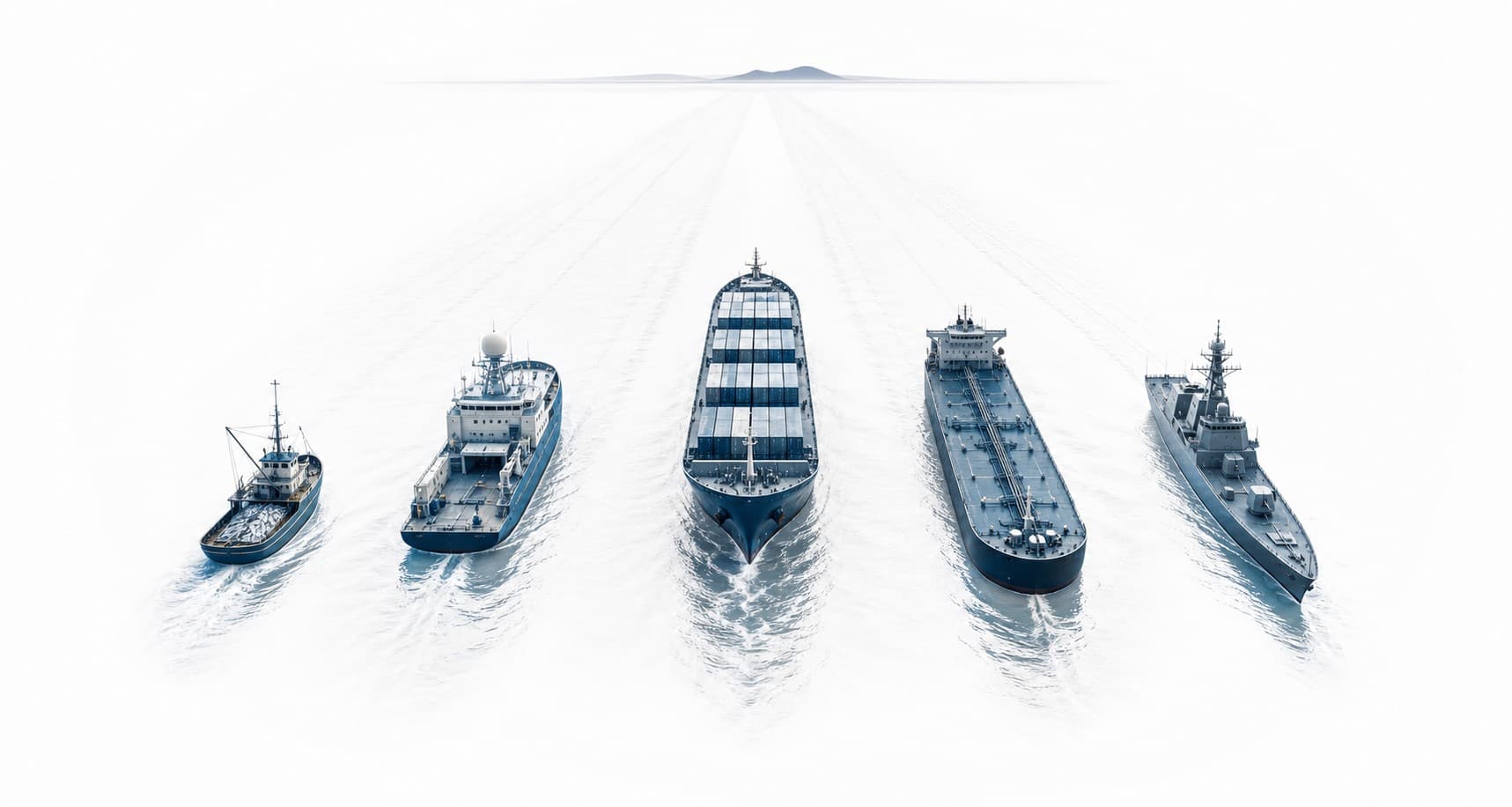
The Compass Navigation Diagnostic helps you identify the Primary and Secondary Vessels that best reflect the work you are navigating today.
Start the Compass Navigation Diagnostic