Why You Work Hard and Always Feel Behind
Working harder can still feel wrong when the scorecard does not match the season you are actually in.
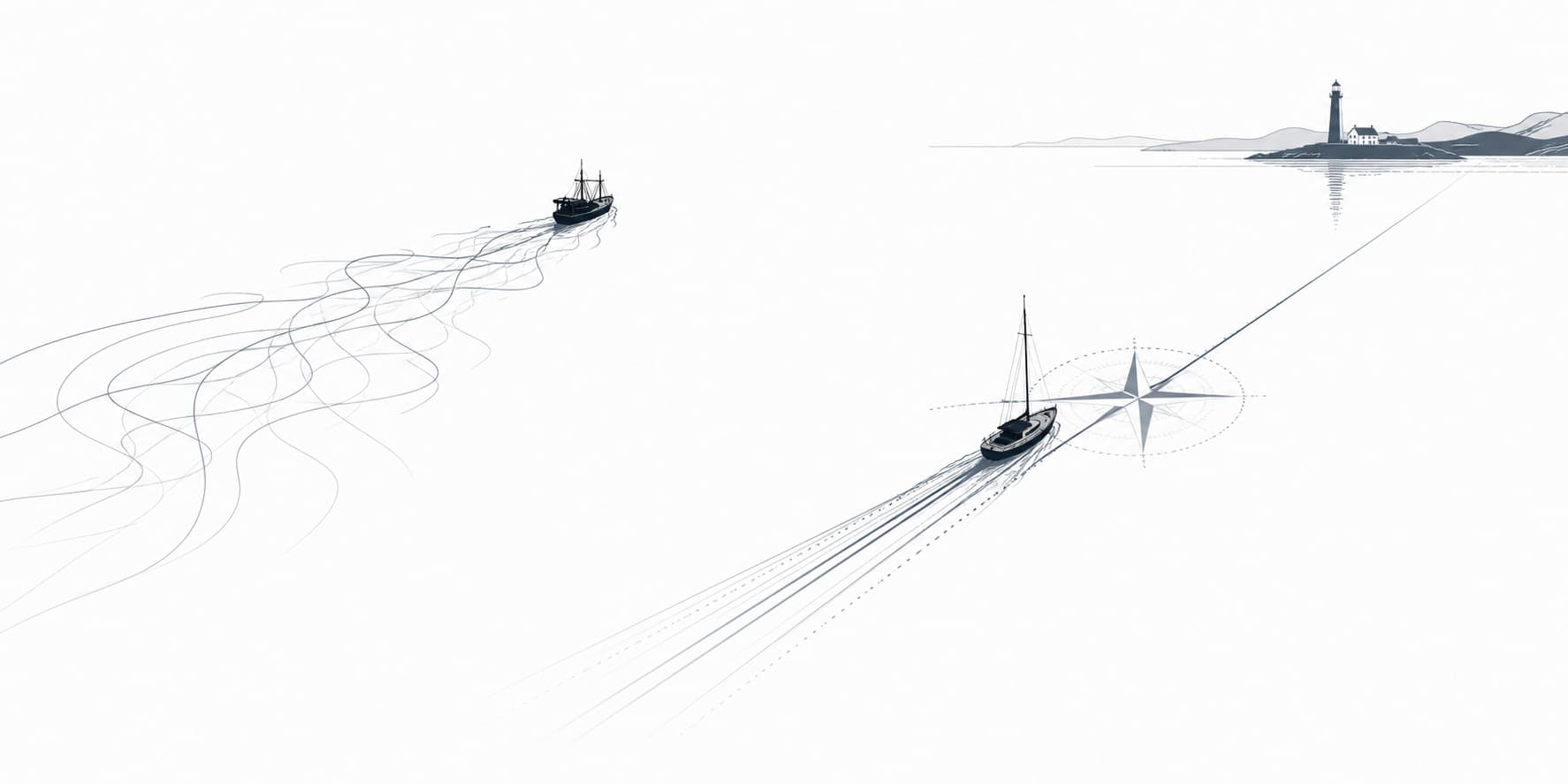
Did you know that speed can kill a product? I was working with a small team launching a new product. The need was real, the team was good, the execution was fast. We were closing sprint after sprint. We were agile. We were delivering. And we were building, without knowing it, a time bomb.
We kept deferring the small bugs. "Future releases will fix them. Right now the focus is speed." It seemed logical. It seemed professional. Until the platform became unreliable. Data returned inconsistencies. Users stopped using us. The effort to repair the damage was ten times greater than if we had fixed the problems in time.
You can drive at 80 mph. But that speed is for the highway. On a narrow mountain road, that same 80 mph turns any small obstacle into a fatal accident. We were building on a mountain road. And driving like we were on a highway. A few months later I was in research mode. Entire days of reading, taking notes, listening. Nothing concrete at the end of the day.
In the evenings I felt like I had wasted my time. Looking back now — it was one of the most productive periods of my career. But my evaluation system was lying to me. I was judging myself by the wrong metrics for the season I was in. Work has seasons. Sometimes you're in the speed season — the window is narrow, you deliver fast, you adapt on the fly.
Other times you're in the careful navigation season — the waters are murky, every maneuver matters, speed kills you. Other times you're in the strict discipline season — procedures exist for a reason, improvisation is the enemy. The problem isn't that one of these seasons is wrong.
The problem is when you apply the metrics of one season in the middle of another. Scrum, OKRs, SAFe — they all tell you how to move. The speed, the rhythm, the process. But none of them ask you the first thing that should be asked: What season are you in? And where are you going?
Think about your last week. Were you busy? Sure. Did you deliver things? Probably. Did you feel like you were moving toward something that matters? If that last answer came harder — it's possible the problem isn't how hard you work. It's possible you're measuring the wrong things for the season you're in.
One question before you go: What would change tomorrow
Not sure which navigation mode fits your current season?
The Compass Navigation Diagnostic helps you identify the Primary and Secondary Vessels that best reflect the work you are navigating today.
Start the Compass Navigation Diagnostic